

Marketing never stands still and if the last few years have taught us anything, it’s that change isn’t slowing down anytime soon. As we move into the new year, we are already seeing clear shifts in how brands connect, show up and build trust with their audiences.
Some tactics are evolving. Others are coming full circle. And the brands that win will be the ones that know how to balance innovation with authenticity.
Here’s what we’re watching closely and how smart brands should be thinking about marketing in 2026.
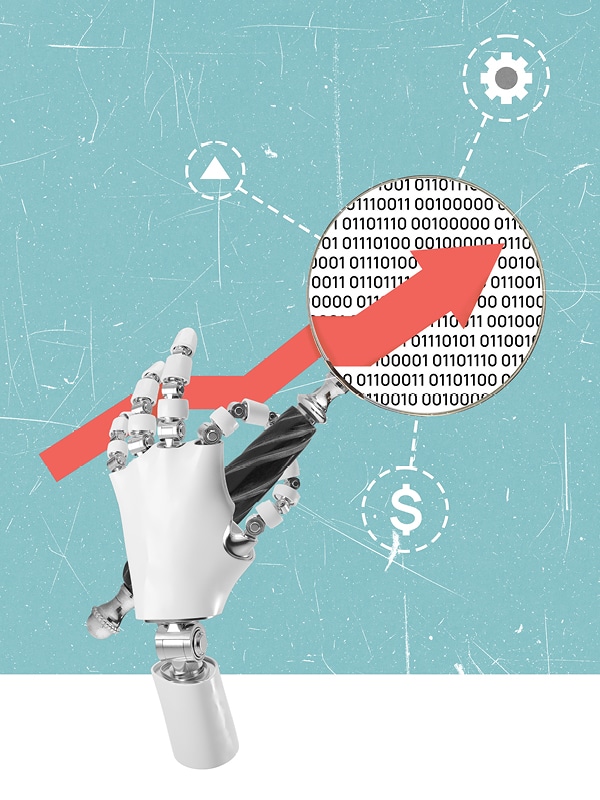
AI + Automation – enhancing creativity, not replacing it
AI is no longer the shiny new thing, it’s a tool. And in 2026, the brands using it best will be the ones using it intentionally.
AI and automation are streamlining workflows, speeding up analysis and helping marketers work smarter. But the key shift? The focus is on enhancement, not replacement.
Creativity, strategy, storytelling and human insight still matter, arguably more than ever. AI can help generate ideas, personalize experiences and optimize performance, but it can’t replace empathy, thoughtful judgement or brand voice.
Use AI to free up time and improve efficiency, then reinvest that time into better ideas, stronger messaging and more meaningful connections.

Search is Evolving – from SEO to “Search Everywhere”
Traditional SEO isn’t going away, but it’s no longer the whole picture.
Consumers are searching everywhere:
- Social platforms
- YouTube
- AI-powered search tools
- Marketplaces
- Even inside apps
In 2026, visibility isn’t just about ranking on page one, it’s about being discoverable wherever your audience is looking.
That means brands need to think beyond keywords and optimize content for:
- Social search
- Video captions and descriptions
- Everyday search questions
- Platform specific discovery
Stop thinking of search as a single channel. Build content that works across platforms and meets people where they’re already searching.

Video Dominance – short-form still reigns
Short-form video isn’t a trend, it’s a core strategy.
From Reels and TikTok to Shorts and Stories, video continues to be one of the most effective ways to capture attention, tell stories and drive engagement. And in 2026, audiences expect video that feels:
- Authentic
- Fast-paced
- Relatable
- Human
Highly produced content still has its place, but the growth is in video that feels real; behind-the-scenes moments, quick tips, honest conversations and storytelling that doesn’t feel scripted.
If video isn’t a core part of your strategy, it should be. And if it already is, the focus should be on consistency, clarity and authenticity, not perfection.
Trust & Transparency – the new competitive advantage
Trust now separates the leaders from the rest.
With increasing concerns around privacy, data usage and misinformation, consumers want to know:
- What data you collect
- How you use it
- Why they should trust you
In 2026, brands will lean heavily into first-party data, clear communication and transparent practices. But trust isn’t just about policies, it’s about storytelling.
Audiences connect with brands that feel human, honest and aligned with their values. Be those things. Strong relationships are built on transparency and marketing is no exception.

Commerce Media & Social Commerce – shopping where people scroll
Retail media is getting more complex and more competitive. At the same time, social platforms are becoming full-fledged shopping destinations.
Consumers no longer separate content and commerce. They discover products while scrolling, watching and engaging, and they expect a seamless path from inspiration to purchase.
In 2026, successful brands will:
- Create content designed to convert, not just impress
- Build frictionless shopping experiences on social platforms
- Use data to personalize offers without crossing privacy lines
Meet customers where they are and make it easy for them to take the next step.

Personal Branding & UGC – people trust people
Logos don’t earn trust, people do.
User-generated content and personal branding are becoming essential parts of brand strategy. Audiences want to hear from real people, real employees, real customers and real voices.
We’re also seeing big brands explore deeper influencer relationships, moving beyond one-off partnerships to:
- Long-term collaborations
- Influencers in official brand roles
- Co-branded products and campaigns
Invest in people. Empower employees, customers and partners to tell your story in their own words.

The Offline Comeback – marketing you can’t scroll past
After years of digital overload, we’ve reached a turning point.
In 2026, more brands are returning to offline marketing – mailers, events, print, out-of-home, experiential campaigns; not as replacements for digital, but as complements.
Why? Because offline marketing:
- Cuts through digital noise
- Feels tangible and memorable
- Creates moments people slow down for
In a world of endless scrolling, being unskippable matters.
The strongest strategies blend digital and physical experiences, creating touchpoints audiences can feel, remember and engage with.
Marketing in 2026 isn’t about chasing every trend, it’s about understanding what actually works, staying adaptable and keeping people at the center of every strategy.
At Linden, we believe the future of marketing is built on:
- Smart technology
- Strong storytelling
- Real relationships
- A willingness to evolve
The tools may change, but the goal stays the same – helping brands connect in meaningful, lasting ways. If you’re ready to think ahead, we’re ready to build what’s next, together.

Becky Freismuth
Need help with something? Need a bright idea? Want to talk about music, celebrity news, bucket list travel destinations or where to find the best craft beer in Colorado? Becky’s on it. And in all the things she does, Becky brings energy, positivity and a drive that moves projects, concepts and office interior decorating forward.